Talked about a while ago on here. This from Wiki page
he club was founded as
Millwall Rovers by the workers of J.T. Morton's canning and preserve factory in the
Millwall area of the
Isle of Dogs in London's
East End in 1885.
[3] J.T. Morton was founded in
Aberdeen in 1849 to supply sailing ships with food, the company opened their first English cannery and food processing plant at
Millwall dock in 1872 and attracted a workforce from across the country, including the east coast of Scotland, primarily
Dundee.
[3] The club secretary was 17-year-old Jasper Sexton, the son of the landlord of The Islander
pub in Tooke Street where Millwall held their club meetings.
[4] Millwall Rovers' first game was an away fixture held on 3 October 1885 against Fillebrook, a team that played in
Leytonstone. The newly formed team were beaten 5–0.
[3] Millwall's first home game was on a piece of waste ground on
Glengall Road against
St Luke's, on 24 October 1885, which they won 2–1.
[5]
Rovers found a better playing surface for the 1886–87 season, at the rear of the Lord Nelson pub and it became known as the
Lord Nelson Ground.
[3] In November 1886, the East End Football Association was formed, along with the Senior Cup Competition. Millwall made it to the final against London Caledonians, which was played at
Leyton Cricket Ground. The match finished 2–2 and the teams shared the cup for six months each.
[6] Millwall won the East London Senior Cup at the first attempt. The club also won the cup in the following two years, and the trophy became their property.
[3][6]
In April 1889, a resolution was passed for Millwall to drop "Rovers" from their name, and they began playing under the name
Millwall Athletic, inspired by their move to their new home
The Athletic Grounds.
[6][7] They were founding members of the
Southern Football Leaguewhich they won for the first two years of its existence, and were runners-up in its third.
[8] During this period the club was invited to join the Second Division of the Football League but the committee turned down the opportunity, partly due to the expected increase in travel expenses but also to stay loyal to the Southern League.
[9] They were forced to move to a new ground
North Greenwich in 1901, as the Millwall Dock Company wanted to use their land as a timberyard.
[10] Millwall Athletic reached the
semi-finals of the
FA Cup in
1900 and
1903, and were also champions of the
Western Football League in 1908 and 1909.
[11] On 10 October 1910, Millwall played their last game as an East London club against
Woolwich Arsenal in the London Challenge Cup.
[12]Millwall won the game 1–0 in front of a crowd of 3000.
[12]


 www.bbc.com


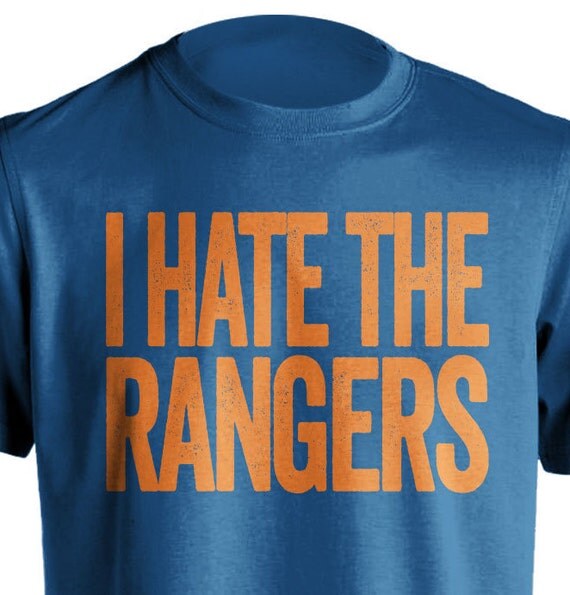


 what is that all about
 and “come on you reds” they should be binned simply for that