Hybrid cars

Wishbone

Private Member
Joined
May 11, 2008
I have been reading a lot about electric car pros and cons. Do any other bouncers share my bewilderment about hybrid cars? I'm not an engineer and only ever done DIY mechanics and I just can't see what the attraction is in a hybrid. You have an electric engine and a combustion engine. You drive around using the petrol engine which charges the battery for the electric engine. You can then drive around using the electric engine until it needs charging again so then revert back to the petrol engine. This is for self charging hybryds. If not self charging then you need to plug in at home or a charging station. Where are the benefts regarding costs/environment issues?

I can see the peace of mind that you get with having the back up of the petrol engine if the battery gets too low but as long as you keep an eye on the charge level (the same as you already need to do with the petrol gauge) you should be ok. I get the feeling that I am missing something here and that there is a logical explanation, but I haven't found it yet.
 
Last edited:
I have been reading a lot about electric car pros and cons. Do any other bouncers share my bewilderment about hybrid cars? I'm not an engineer and only ever done DIY mechanics and I just can't see what the attraction is in a hybrid. You have an electric engine and a combustion engine. You drive around using the petrol engine which charges the battery for the electric engine. You can then drive around using the electric engine until it needs charging again so then revert back to the petrol engine. Where are the benefts regarding costs/environment issues?

I can see the peace of mind that you get with having the back up of the petrol engine if the battery gets too low but as long as you keep an eye on the charge level (the same as you already need to do with the petrol gauge) you should be ok. I get the feeling that I am missing something here and that there is a logical explanation, but I haven't found it yet.
I have a 24 plate qashqai benefit for me is I pay less tax (business) due to the emissions and its better on fuel consumption

And there is not the ballache of sitting waiting on it charging
 
I have been reading a lot about electric car pros and cons. Do any other bouncers share my bewilderment about hybrid cars? I'm not an engineer and only ever done DIY mechanics and I just can't see what the attraction is in a hybrid. You have an electric engine and a combustion engine. You drive around using the petrol engine which charges the battery for the electric engine. You can then drive around using the electric engine until it needs charging again so then revert back to the petrol engine. This is for self charging hybryds. If not self charging then you need to plug in at home or a charging station. Where are the benefts regarding costs/environment issues?

I can see the peace of mind that you get with having the back up of the petrol engine if the battery gets too low but as long as you keep an eye on the charge level (the same as you already need to do with the petrol gauge) you should be ok. I get the feeling that I am missing something here and that there is a logical explanation, but I haven't found it yet.
As I understand it the petrol engine runs a generator and everything in the car runs off electricity, a bit like the cruise ships I posted about recently.

The advantage, other than the one you mention, is that the petrol engine runs at an economical rpm rather than racing up and down through the gears. Because its never raced or rallied the petrol engine needs much less servicing making it more economical again.
 
I've got a 'mild hybrid' which is permanent 4WD, wee electric thingies charge when I brake to supplement the petrol engine.

It's a gas guzzler.
 
I’ve been toying with the idea of an electric or hybrid vehicle for some time as I do believe we should all do what we can to reduce our own carbon footprint. But the question that keeps bugging me is: what is the carbon footprint involved in exploration drilling and mining lithium to production, then transporting it to battery producers . . . and where do all the batteries end up when they’re done? Answers on a postcard please.
 
A mate stuck this on facebook. Might be true, might be bollocks. I don't care but this thread brought it to mind....


This is a Tesla model Y battery. It takes up all of the space under the passenger compartment of the car. To manufacture it you need:
--12 tons of rock for Lithium (can also be extracted from sea water)
-- 5 tons of cobalt minerals (Most cobalt is made as a byproduct of processing copper and nickel ores. It is the most difficult and expensive material to obtain for a battery.)
-- 3 tons nickel ore
-- 12 tons of copper ore

You must move 250 tons of soil to obtain:
-- 26.5 pounds of Lithium
-- 30 pounds of nickel
-- 48.5 pounds of manganese
-- 15 pounds of cobalt

To manufacture the battery also requires:
-- 441 pounds of aluminum, steel and/or plastic
-- 112 pounds of graphite

The Caterpillar 994A is used to move the earth to obtain the minerals needed for this battery. The Caterpillar consumes 264 gallons of diesel in 12 hours.

The bulk of necessary minerals for manufacturing the batteries come from China or Africa. Much of the labor in Africa is done by children. When you buy an electric car, China profits most.
The 2021 Tesla Model Y OEM battery (the cheapest Tesla battery) is currently for sale on the Internet for $4,999 not including shipping or installation. The battery weighs 1,000 pounds (you can imagine the shipping cost). The cost of Tesla batteries are:

Model 3 -- $14,000+ (Car MSRP $38,990)
Model Y -- $5,000–$5,500 (Car MSRP $47,740)
Model S -- $13,000–$20,000 (Car MSRP $74,990)
Model X -- $13,000+ (Car MSRP $79,990)

It takes 7 years for an electric car to reach net-zero CO2. The life expectancy of the battery is 10 years (average). Only in the last 3 years do you start to reduce your carbon footprint, but then the batteries must be replaced and you lose all gains made.

And finally, my new friend, Michael, made some excellent points: I forgot to mention the amount of energy required to process the raw materials and the amount of energy used to haul these batteries to the U.S. sometimes back and forth a couple of times.

But by all means, get an electric car. Just don't sell me on how awesome you are for the environment. Or for human rights.

Dr. Sharnael Wolverton Sehon
𝐉𝐨𝐢𝐧 👇 my newletter
www.Drsharnael.com
 
As I understand it the petrol engine runs a generator and everything in the car runs off electricity, a bit like the cruise ships I posted about recently.

The advantage, other than the one you mention, is that the petrol engine runs at an economical rpm rather than racing up and down through the gears. Because its never raced or rallied the petrol engine needs much less servicing making it more economical again.
Aha! The petrol engine just purrs away driving the generator so never actually drives the car. I assume then that the generator powers an electric motor so the car is propelled all the time by electricity which is obtained through the said purring petrol engine? This would mean no expensive battery (middle digit shown to China). No plug in charging required and a low petrol consumption. So, if I now have this right, not the total freedom from the combustion engine that an all electric car provides but much, much better than my understanding of how a hybrid works. I should have done a bit more research as the hybrid appears to be a decent compromise.
 
A mate stuck this on facebook. Might be true, might be bollocks. I don't care but this thread brought it to mind....


This is a Tesla model Y battery. It takes up all of the space under the passenger compartment of the car. To manufacture it you need:
--12 tons of rock for Lithium (can also be extracted from sea water)
-- 5 tons of cobalt minerals (Most cobalt is made as a byproduct of processing copper and nickel ores. It is the most difficult and expensive material to obtain for a battery.)
-- 3 tons nickel ore
-- 12 tons of copper ore

You must move 250 tons of soil to obtain:
-- 26.5 pounds of Lithium
-- 30 pounds of nickel
-- 48.5 pounds of manganese
-- 15 pounds of cobalt

To manufacture the battery also requires:
-- 441 pounds of aluminum, steel and/or plastic
-- 112 pounds of graphite

The Caterpillar 994A is used to move the earth to obtain the minerals needed for this battery. The Caterpillar consumes 264 gallons of diesel in 12 hours.

The bulk of necessary minerals for manufacturing the batteries come from China or Africa. Much of the labor in Africa is done by children. When you buy an electric car, China profits most.
The 2021 Tesla Model Y OEM battery (the cheapest Tesla battery) is currently for sale on the Internet for $4,999 not including shipping or installation. The battery weighs 1,000 pounds (you can imagine the shipping cost). The cost of Tesla batteries are:

Model 3 -- $14,000+ (Car MSRP $38,990)
Model Y -- $5,000–$5,500 (Car MSRP $47,740)
Model S -- $13,000–$20,000 (Car MSRP $74,990)
Model X -- $13,000+ (Car MSRP $79,990)

It takes 7 years for an electric car to reach net-zero CO2. The life expectancy of the battery is 10 years (average). Only in the last 3 years do you start to reduce your carbon footprint, but then the batteries must be replaced and you lose all gains made.

And finally, my new friend, Michael, made some excellent points: I forgot to mention the amount of energy required to process the raw materials and the amount of energy used to haul these batteries to the U.S. sometimes back and forth a couple of times.

But by all means, get an electric car. Just don't sell me on how awesome you are for the environment. Or for human rights.

Dr. Sharnael Wolverton Sehon
𝐉𝐨𝐢𝐧 👇 my newletter
www.Drsharnael.com
Wow! Even if these figures are grossly over-estimated or exaggerated, that’s a real eye-opener. Thanks for posting.
 
A mate stuck this on facebook. Might be true, might be bollocks. I don't care but this thread brought it to mind....


This is a Tesla model Y battery. It takes up all of the space under the passenger compartment of the car. To manufacture it you need:
--12 tons of rock for Lithium (can also be extracted from sea water)
-- 5 tons of cobalt minerals (Most cobalt is made as a byproduct of processing copper and nickel ores. It is the most difficult and expensive material to obtain for a battery.)
-- 3 tons nickel ore
-- 12 tons of copper ore

You must move 250 tons of soil to obtain:
-- 26.5 pounds of Lithium
-- 30 pounds of nickel
-- 48.5 pounds of manganese
-- 15 pounds of cobalt

To manufacture the battery also requires:
-- 441 pounds of aluminum, steel and/or plastic
-- 112 pounds of graphite

The Caterpillar 994A is used to move the earth to obtain the minerals needed for this battery. The Caterpillar consumes 264 gallons of diesel in 12 hours.

The bulk of necessary minerals for manufacturing the batteries come from China or Africa. Much of the labor in Africa is done by children. When you buy an electric car, China profits most.
The 2021 Tesla Model Y OEM battery (the cheapest Tesla battery) is currently for sale on the Internet for $4,999 not including shipping or installation. The battery weighs 1,000 pounds (you can imagine the shipping cost). The cost of Tesla batteries are:

Model 3 -- $14,000+ (Car MSRP $38,990)
Model Y -- $5,000–$5,500 (Car MSRP $47,740)
Model S -- $13,000–$20,000 (Car MSRP $74,990)
Model X -- $13,000+ (Car MSRP $79,990)

It takes 7 years for an electric car to reach net-zero CO2. The life expectancy of the battery is 10 years (average). Only in the last 3 years do you start to reduce your carbon footprint, but then the batteries must be replaced and you lose all gains made.

And finally, my new friend, Michael, made some excellent points: I forgot to mention the amount of energy required to process the raw materials and the amount of energy used to haul these batteries to the U.S. sometimes back and forth a couple of times.

But by all means, get an electric car. Just don't sell me on how awesome you are for the environment. Or for human rights.

Dr. Sharnael Wolverton Sehon
𝐉𝐨𝐢𝐧 👇 my newletter
www.Drsharnael.com
I had read about some of what your post lists but not all. The pros for all electric cars seem negligible unless battery components can be radically changed which seems unlikely.
 
Aha! The petrol engine just purrs away driving the generator so never actually drives the car. I assume then that the generator powers an electric motor so the car is propelled all the time by electricity which is obtained through the said purring petrol engine? This would mean no expensive battery (middle digit shown to China). No plug in charging required and a low petrol consumption. So, if I now have this right, not the total freedom from the combustion engine that an all electric car provides but much, much better than my understanding of how a hybrid works. I should have done a bit more research as the hybrid appears to be a decent compromise.
There other forms of hybrid I'm not so sure about where the petrol/diesel and electric motors work in conjunction with each other driving the vehicle along.
 
Aha! The petrol engine just purrs away driving the generator so never actually drives the car. I assume then that the generator powers an electric motor so the car is propelled all the time by electricity which is obtained through the said purring petrol engine? This would mean no expensive battery (middle digit shown to China). No plug in charging required and a low petrol consumption. So, if I now have this right, not the total freedom from the combustion engine that an all electric car provides but much, much better than my understanding of how a hybrid works. I should have done a bit more research as the hybrid appears to be a decent compromise.
That's right. Also better fuel economy in stop start conditions than fuel because it charges the small battery from kinetic energy reclamation from brakes. But on a motorway with little braking is similar mileage to normal petrol (battery pretty much 100% charged from petrol generator under these conditions)

Not just qashqai incidentally. Google Nissan epower.
 
Buy an all out electric job.
280 miles on a charge( up to)
Buy it now.
But be prepared for winter when the wipers and lights are on and of course you don't want frostbitten toes so the heater needs an airing.
280 becomes 140.
If you're lucky.
 
Buy an all out electric job.
280 miles on a charge( up to)
Buy it now.
But be prepared for winter when the wipers and lights are on and of course you don't want frostbitten toes so the heater needs an airing.
280 becomes 140.
If you're lucky.
That’s another thing that puts me off fully electric L. Imagine a winter’s day tailback towards the end of a 160 mile journey then trying to reach a charging station before it conks out - not for me as things stand at present.
 
I've got a VW eTSI mild hybrid in my car, as far as I can tell it's pretty much a starter motor on steroids in that it's typically only engaged in 1st year and delivers a nice hit of instant torque when pulling away from a standing start. Also the regenerative braking/ active cylinder tech helps bring the fuel economy up/emissions down but it's fundamentallly a petrol engine:

In saying that it's a great wee engine though I'm not 100% convinced by their reliability longer term as there is a fair amount of complex extra bits and pieces in there.
 
Have we not got hydrogen cars in the pipeline which spouts out water from the exhaust ?(and clean too)
😃

BMW developed a hydrogen 7 Series, must have been about 20 years ago. They cost $500,000 each 😆

Things have moved on since then but there's not very many options.
 
@emerald green

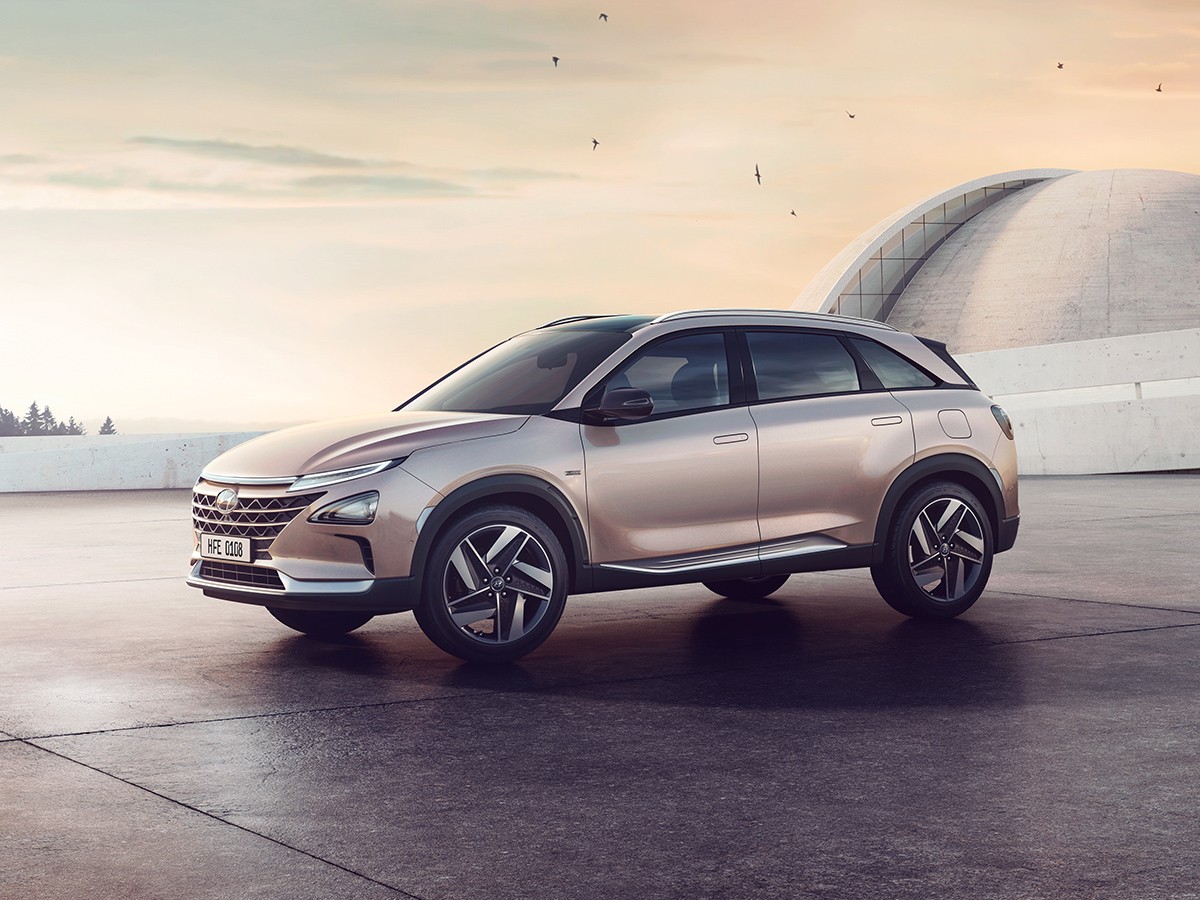
Hyundai anol


I don't pay that much attention to cars and thought these were years off. Begs the question why we are going pellmell after EV which seems a far less good solution.
 
Cripes they move fast. It's now available to buy

Probs with production and storage costs - not to mention consumer access points. Is what I remember hearing on a YT science vid (Hossenfelder) I tend to trust.

edit - found it:

To view this content we will need your consent to set third party cookies.
For more detailed information, see our cookies page.
 
Last edited:
Probs with production and storage costs - not to mention consumer access points. Is what I remember hearing on a YT science vid (Hossenfelder) I tend to trust.
For sure but ultimately scaling access points is a piece of piss compared to EVs and I assume production costs come down with scale. In other words i think/ hope these are start up costs.

Hydrogen cars can be much lighter an all saving roads getting tanned and car parks needing rebuilt.

They do have a storage space problem mind given the space required for hydrogen tanks. But we remember the 70s ; bring back roof racks!
 
For sure but ultimately scaling access points is a piece of piss compared to EVs and I assume production costs come down with scale. In other words i think/ hope these are start up costs.

Hydrogen cars can be much lighter an all saving roads getting tanned and car parks needing rebuilt.

They do have a storage space problem mind given the space required for hydrogen tanks. But we remember the 70s ; bring back roof racks!
Have a squint at vid I edited into my above post if you have time.
 
@emerald green

Hyundai anol


I don't pay that much attention to cars and thought these were years off. Begs the question why we are going pellmell after EV which seems a far less good solution.
From what I read there are limitations with these alternative power sources/fuels. They seem to be either too expensive, give too short a range or poorer performance. It's good that there are ongoing projects so I live (for now) in hope of driving one.
 
Aha! The petrol engine just purrs away driving the generator so never actually drives the car. I assume then that the generator powers an electric motor so the car is propelled all the time by electricity which is obtained through the said purring petrol engine? This would mean no expensive battery (middle digit shown to China). No plug in charging required and a low petrol consumption. So, if I now have this right, not the total freedom from the combustion engine that an all electric car provides but much, much better than my understanding of how a hybrid works. I should have done a bit more research as the hybrid appears to be a decent compromise.
If I was going electric this is the only option I would go for. A plug-in or plug-in Hybrid means you have to got through the hassle of finding somewhere to charge up and then wait for the charge to happen. That doesn't make sense to me,
 
As I understand it the petrol engine runs a generator and everything in the car runs off electricity, a bit like the cruise ships I posted about recently.

The advantage, other than the one you mention, is that the petrol engine runs at an economical rpm rather than racing up and down through the gears. Because its never raced or rallied the petrol engine needs much less servicing making it more economical again.
Long time since this was talked about.
I left this discussion under the mistaken impression that as long as you kept fuel in the petrol tank of a non plug in hybrid the petrol engine would produce enough electricity (via the generator/alternator) to keep sufficlent charge in the battery to allow permanent electric driving. I'm sure you said (or I read elsewhere?) that the petrol engine never drove the car. I now read that that is not the case. The battery, when full, will only let you drive electrically for around 30 miles. This may be enough for many drivers who work fairly locally but a very limited range compared to the all electric cars although they require a bigger, more expensive battery. After using all/most of the charge in the battery you would have to revert to the petrol engine until it recharged the battery again. So this means that the only realistic difference between plug in and non plug in hybrids would be that you wouldn't need to find a charging point or have one fitted at home.
The very limited mileage that I now cover daily would be covered but all journeys longer than 30 miles return would be done mostly by using the petrol engine. So if I ever buy an electric car (not very likely) I'm fairly sure it would be all electric.
If, as before, I am again talking via my erchie I would appreciate being put right.